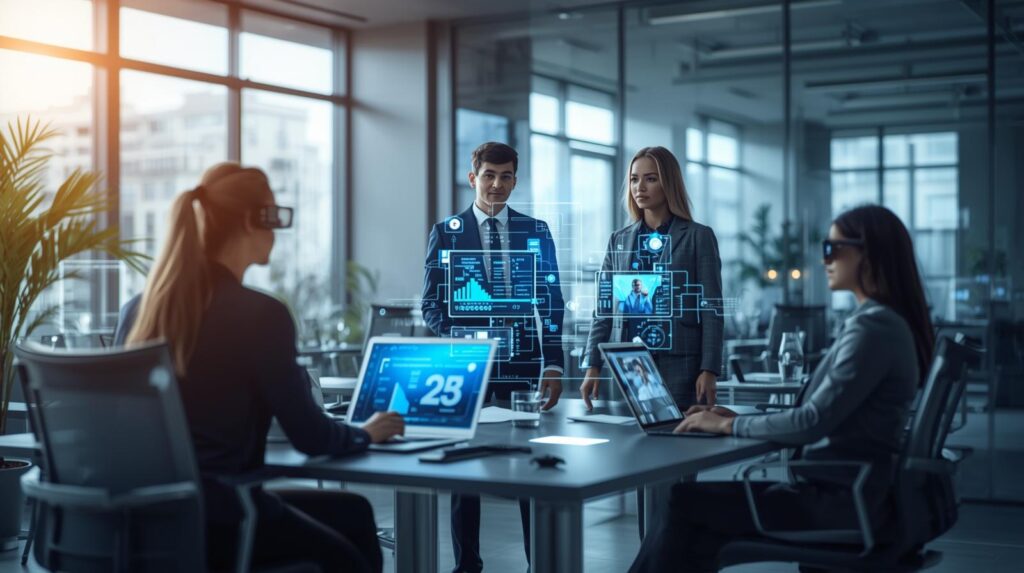
As we approach 2026, the landscape of corporate communication is undergoing a seismic shift. The traditional methods of mass emailing and static intranet posts are rapidly becoming relics of a bygone era. In their place, a new ecosystem of intelligent, visual, and highly personalized communication is emerging.
For internal communication professionals, staying ahead of these trends isn’t just about adopting new technology; it’s about survival in an attention economy where employees are constantly bombarded with information. The future belongs to organizations that can cut through the noise and deliver the right message, to the right person, at the right time.
This article explores the key trends that will define corporate communication in 2026 and beyond. We will examine how AI, hybrid work dynamics, and visual storytelling are reshaping the workplace, and how platforms like Connected Company are helping forward-thinking enterprises future-proof their strategies.
1. The Rise of “Hyper-Visual” Communication
By 2026, text-heavy communication will be the exception, not the rule. The dominance of video platforms and social media in our personal lives has permanently altered how we consume information at work. Employees now expect corporate updates to be as engaging and digestible as their social feeds.
Moving Beyond the Inbox
The reliance on email as a primary communication channel is fading. It is simply too easy for critical messages to get buried in an overflowing inbox. The future lies in “ambient communication”—leveraging the digital environment itself to convey information.
This is where tools like Connected Company are leading the charge. By utilizing screensavers, lock screens, and desktop backgrounds, organizations can turn every employee monitor into a dynamic digital signage board. This approach ensures that key messages—whether they are strategic goals, cultural values, or urgent alerts—are always visible without requiring the employee to open an app or click a link.
Visuals as a Universal Language
In global organizations, visual communication bridges language barriers better than text ever could. A well-designed graphic on a screensaver celebrating a team win resonates instantly across offices in Tokyo, New York, and Berlin. In 2026, the most effective internal comms teams will think like graphic designers first and writers second.
2. AI-Driven Personalization at Scale
One-size-fits-all communication is dead. Employees today expect the same level of personalization from their employer that they get from Netflix or Spotify. By 2026, Artificial Intelligence (AI) will be the engine driving this personalization, ensuring that employees only see information relevant to their role, location, and interests.
Intelligent Content Delivery
AI algorithms will analyze employee behavior and preferences to curate personalized news feeds. Instead of a generic company newsletter, an engineer might receive updates on new tech stacks and patent filings, while a sales representative sees competitor analysis and new pricing models.
Targeted Alerts
Personalization also extends to urgency. Platforms will become smarter about when and how to interrupt. For example, Connected Company’s Hero Notifications allow organizations to target specific departments with high-priority alerts. An urgent IT security patch notification can be sent exclusively to users of a specific software version, appearing as a full-screen alert that demands immediate action, while leaving unaffected employees undisturbed.
3. The Hybrid Workplace as the Permanent Standard
The debate over remote vs. in-office work has settled into a permanent hybrid reality. In 2026, the challenge is no longer about “returning to the office” but about creating an equitable experience for a dispersed workforce.
Bridging the Digital-Physical Divide
Communication strategies must be “location-agnostic.” A town hall meeting can no longer prioritize the people in the room over those on Zoom. The digital experience must be the primary experience.
Lock screen messaging becomes a crucial tool in this hybrid environment. It serves as a unifying thread, ensuring that a remote worker in a home office sees the same cultural reinforcement and company goals as their colleague at headquarters. It democratizes access to information, preventing the “out of sight, out of mind” phenomenon that often plagues remote teams.
Asynchronous Over Synchronous
As teams spread across time zones, the reliance on real-time (synchronous) meetings will decrease. Asynchronous communication—recorded updates, visual memos, and persistent digital signage on desktops—will become the standard for non-urgent information. This respects employee time and allows for deep work without constant interruption.
4. Employee Well-being as a Core KPI
Burnout remains a significant threat to productivity and retention. In 2026, internal communication will play a pivotal role in supporting mental health and well-being. It will no longer be enough to offer a wellness program; the communication channels themselves must be designed to reduce anxiety and cognitive load.
Reducing Digital Noise
The future of communication is about “less is more.” It involves consolidating channels and reducing the number of pings and notifications an employee receives. By using passive channels like desktop backgrounds to share wellness tips or reminders to take breaks, companies can promote health without adding to the digital clutter.
Empathy-First Messaging
The tone of corporate communication is shifting from authoritative to empathetic. Leaders will use internal channels to foster psychological safety, share vulnerable stories, and build genuine connection. Visual tools will be used to celebrate diverse holidays, recognize personal milestones, and humanize the corporate entity.
5. Data-Backed Communication Strategies
Gut feeling is no longer a strategy. By 2026, internal communication will be as data-driven as external marketing. Teams will rely on sophisticated analytics to measure the impact of every campaign.
Beyond Open Rates
Metrics will move beyond simple “open rates” to measure true engagement and sentiment. How long did an employee look at the screensaver? Did the Hero Notification lead to a faster resolution of the IT issue? Did the lock screen campaign correlate with an increase in survey participation?
Tools that offer granular analytics will be essential. Connected Company provides the insights needed to understand which visual assets are performing best, allowing teams to iterate and optimize their messaging in real-time.
Future-Proof Your Strategy Today
The trends of 2026 point toward a future that is visual, personalized, and integrated seamlessly into the employee’s workflow. Organizations that cling to outdated, text-heavy, and intrusive communication methods risk disengagement and misalignment.
To thrive in this new era, you need tools that are built for the modern, hybrid, and distracted workforce. Connected Company offers the platform you need to embrace these trends today. By transforming your company’s screens into intelligent communication channels, you can ensure your message is seen, understood, and acted upon—no matter what the future holds.
Don’t wait for 2026 to upgrade your communication strategy.